40 Minutes Changed His Life

Rohit sat at his home desk, grinning. He placed his cup of black coffee carefully on his right, aligned the coaster to sit flush with his brown desk mat.

That’s a little bit OCD, he said in his own breath but that’s how he liked having his coffee, plain black with his coaster aligned to the tee with his desk. He looked at the clock and said, โ€œHmm, Iโ€™ve got a good 40 minutes. Letโ€™s get this going.โ€

This was standard practice for Rohit. Every single day. Or at least, for the last few years this had been.

He had been taking out time to learn a little bit extra. Whatever he felt he needed at work or in life. He had been consistently investing about 30 to 40 minutes, roughly the time it took him to finish his morning cup of coffee, to learn something new.

Sometimes it was something he needed for work. Like understanding a bit of UX design so he can prepare better collateral or brushing up on his copywriting skills because he had to work on a new ad copy that week.

Sometimes it was just him practicing art, because he loved drawing. Heโ€™d always wanted to draw for as long as he could remember. He had loved it as a child too but of course, he couldnโ€™t continue it back then because, engineering.

โ€œHuh! I did that degree but minus the logical thinking I’ve never technically used whatever I learnt in B.Techโ€, he would think to himself.

But these days he was mostly happy about all of this. These last few years were the only time he could remember where heโ€™d done art consistently, almost every week.

About 3 years ago heโ€™d heard a couple of people mention it on YouTube, a few entrepreneurs here and there.

Initially, he thought, โ€œYeah, great. Easy for them to say. Theyโ€™ve got all the money. Theyโ€™ve got people to help out. They donโ€™t need to do house chores. They donโ€™t need to prepare breakfast or get the kids ready for school early mornings.โ€

โ€œThey can say all of this. They can lecture all they want. But they donโ€™t really get it, do they?โ€ he had said back then.

But this idea stuck with him. This advice that you should be able to afford 30 minutes a day for your your own growth kept poking at him.

Eventually, he gave up. He started investing in himself.

And over the last few years, he had observed something. His career had taken a totally different trajectory. Not only was he able to connect new things better, he was also able to gain skills consistently. Even though they took much longer than heโ€™d like.

Because of course, he wanted everything today. Actually, he wanted everything yesterday. And he wanted it all with minimal effort.

But then again, thatโ€™s not how life works. Does it?

โ€œAnyways, letโ€™s get started,โ€ Rohit said.

Today was special. He was running his first ad campaign for a product he had come up with. He had set up a Shopify store, ad accounts, all the graphics and ad copies.

โ€œHmm. Letโ€™s go with Instagram and Facebook. Maybe just feed and story ads for now,โ€ he thought.

โ€œAnd letโ€™s rename this ad campaign.โ€

Click. Click. Type. Click.

โ€œHmm,โ€ said Rohit.

Click. Click. Type. Click.

That was him setting up the campaign for himself. Something he had now done hundreds of times. But always for employers. Never for himself.

And precisely because of that he had never felt as excited as he did today.

This one was his.

It wasnโ€™t for a company he barely cared about. Or for a boss he somewhat liked, but not enough to do extra work on a weekend morning before office hours.

And damn, it felt good.

Even though it was just the start.

He knew a lot of ad campaigns donโ€™t go anywhere. Theyโ€™re trial and error.

And he was okay with it.

โ€œAd campaigns are trial and error. Itโ€™s not a sure shot thing anyway. Iโ€™m sure Iโ€™ll be able to pick this up. Iโ€™m sure if something goes wrong, Iโ€™ll be able to make quick changes. Maybe tweak the ad copy. And Iโ€™ll get things going.โ€

So, thatโ€™s what he did.

He set up the campaign. For himself.

Click. Click. Type. Click.
It’s okay to be indisciplined, A lesson from Viktor Frankl’s life

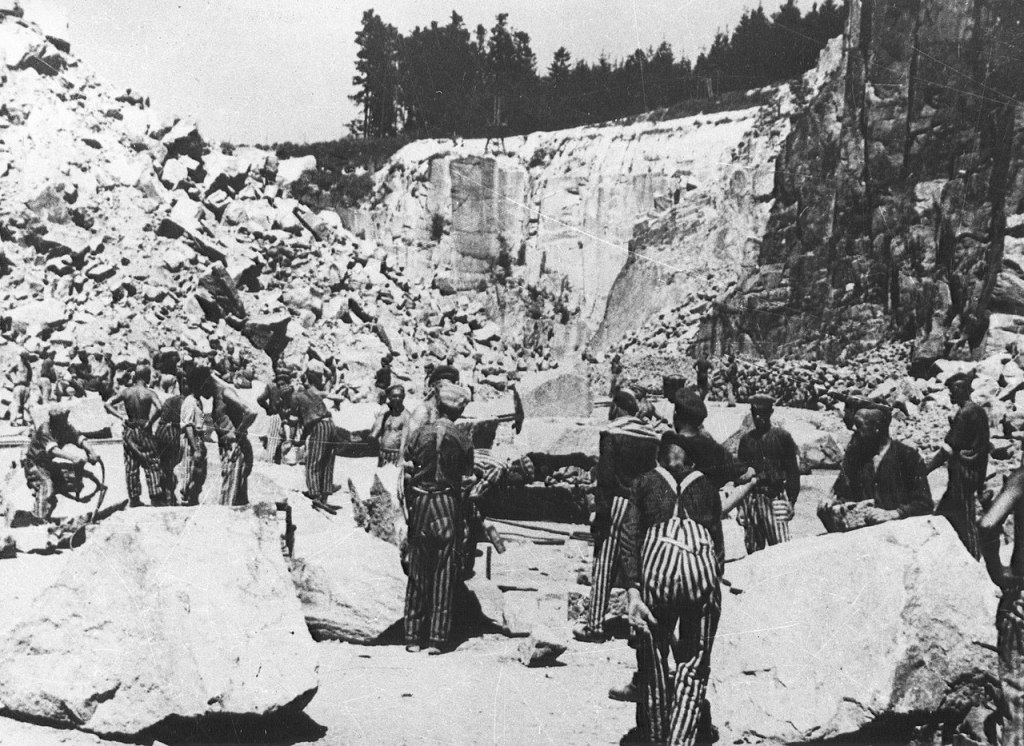
โ€œI am unspeakably tired, unspeakably sad, unspeakably lonelyโ€ฆIn the camp, you really believed you had reached the low point of lifeโ€Šโ€”โ€Šand then, when you came back, you were forced to see that the things had not lasted, everything that had sustained you had been destroyed, that at the time when you become human again, you could sink into an even more bottomless suffering.โ€โ€Šโ€”โ€ŠViktor Frankl

I remember reading A Manโ€™s Search for Meaning by Viktor a few years ago, and there is one story that made a huge impact on me. He talks about asking if someone saw his friend, and a person points to the smoke coming out of a chimney in the camps and says, โ€œThere is your friend, on his way to heavenโ€.

Viktor Frankl, who survived the camps, who survived atrocities that give me chills even as I am simply writing about them, felt lonely, he felt hopeless, he felt tired. Not when he was in the camps, but in fact when he got out of them.

We donโ€™t give ourselves the room to fall out of line. We tie ourselves to so many goals, so many things, and when one thing doesnโ€™t pan out the way we planned, we get completely derailed.

Cal Newport, in his book Slow Productivity, mentions that โ€œfocusing on fewer tasks and making longer-term goals allows us to give ourselves the space to fall out of line once in a while.โ€

Well, itโ€™s not just about having fewer goals. It’s about understanding that discipline and progress go hand in hand and could simply be measured in the time period of โ€œyears,โ€ not days.

On a day-to-day basis, we can let things slide as long as we donโ€™t get stuck right there. As long as we choose to get back out there and start working towards our goals.

Our beliefs make us who we are. If we think that we donโ€™t have any more room to grow, then we donโ€™t.

Here is something really interesting Ryan Holiday mentions in his book Discipline is Destiny:

โ€œIn addiction circles, they use the acronym HALTโ€Šโ€”โ€ŠHungry, Angry, Lonely, Tiredโ€Šโ€”โ€Šas a helpful warning rubric for the signs and triggers for a relapse. We have to be careful, we have to be in control or we risk losing it all.โ€

Letโ€™s just take a minute to think about all the times when things got out of hand. Were we stuck in any of these โ€œHALTโ€ stages?

I know I definitely was.

The point is, โ€œItโ€™s okay to let go sometimes. Itโ€™s okay if you have to do that involuntarily, even. Itโ€™s okay as long as you get back to it, get back to do the work that you were put in the world to do, as Marcus Aurelius would probably say.โ€

The pendulum of work-life balance

For 70 years Queen Elizabeth attended countless ceremonies and parades spending thousands of hours standing straight, with balance.

She said:

One must plant their feet like this. Always keep them in parallel. Make sure your weight is evenly distributed. That’s all there is to it.

Shivam, but what does that have to do with work-life balance?

Well, everything.

Here is a popular myth about work life balance that I think you might have remembered reading about what the Queen said.

Work life balance is all about 50-50. 50% focus on work and 50% focus on life.

Well, you and I both know thats not how the world works. And trying to achieve a 50-50 split is not only a futile effort but also one that will make you sadder. It will take away all the excitement that you have for life and for work.

And we don’t want to be salty people now, do we?

Look, life is uneven, it’s unpredictable. So how can our strategy to deal with it be so “rigid”?

Harvard’s Jeff Karp puts it like this:

I realized that if we start to look at everything in life…like everything is on a pendulum, and you start to step back and visualize that, I think it can be incredibly empowering.

This “pendulum life” is something we have to work with.

The pendulum simply keeps swinging. Sometimes dramatically and sometimes barely. There are weeks when work consumes all our day and goes on well into the nights too.

Your calendar might literally look like a game of tetris. But then there are also times when life wants it all, a sick parent maybe, a kid who needs attention or maybe all we need is simply a little bit of time to breathe.

The swing is natural, its supposed to happen.

And that is exactly what Queen’s advice secretly teaches us. Balance is not about freezing ourselves into a 50-50 state of mind.

It’s about distributing our weight evenly. And the definition of even would change based on where you are standing. Cement floor, slope of a hill, climbing a mountain.

The trick here is being aware of the pendulum. Acknowledge when the pendulum is swinging wide towards work, and when towards life.

Lean into it but also be prepared for the pendulum to swing back to the other end too.

For years my own resistance towards acknowledging the pendulum has caused unnecessary stress affecting life and work. Just by understanding this and focusing on the rhythm we can have the balance we need and truly want.

Balance is not about being still with one thing.

It’s about the sway and a pendulum doesn’t apologize for moving.

Neither should you.

Read. Reflect. Repeat: The Career Edge of a Thoughtful Mind

Thereโ€™s a quiet weapon in the careers of people who seem to always be two steps ahead. It doesnโ€™t post about itself on LinkedIn thrice a week. It doesnโ€™t show up in KPIs. But itโ€™s there, tucked between the margins of books and the pages of old notebooks: a personal system for reading and reflection.

Warren Buffett reads six hours a day. Bill Gates famously takes reading vacations. Barack Obama kept a journal as a young man, filling it with reflections, frustrations, fragments of poetry, and political questions. These are a part of a disciplined way of thinking.

Look, we are drowning in noise. Slack pings. Industry updates. A thousand browser tabs. In that environment, reading deeply is simply an act of rebellion. More than that, itโ€™s a long-term career advantage.

Because what do careers really run on? Pattern recognition. Judgment. Strategic imagination.

And those things donโ€™t come from hustle alone. Theyโ€™re cultivated in silence. They come from sitting with Montaigneโ€™s essays or Joan Didionโ€™s clarity. From rereading a paragraph three times because it struck something. From seeing your own half-formed thoughts turn into full sentences in a journal and thinking โ€” so thatโ€™s what I really believe.

Robert Caro, the biographer behind The Power Broker, keeps a notebook titled โ€œReading Notes.โ€ He copies down passages longhand, forcing himself to slow down and absorb. โ€œYou have to see the writing,โ€ he says. Not just the facts. The shape of thought behind them.

Even Leonardo da Vinci kept detailed notebooks with sketches, inventions, shopping lists, philosophical musings and everything in between. Centuries later, we still study them. Why? Because they show the scaffolding of genius. The half-steps. The messy drafts. The questions.

We are systematizing insight. Building a palace where ideas accumulate. A system where connections spark. A rhythm that makes reflection a habit rather than a luxury.

One practical approach? A daily ritual. Ten minutes in the morning with a book that challenges you. Jot down what stood out. Once a week, scan your notes. What patterns are emerging? Whatโ€™s shifting in your thinking?

A year of this and youโ€™re not just better read. Youโ€™re sharper in meetings, clearer in writing, more persuasive in your proposals. You start seeing what others miss.

Most people skim. Most people forget. But the person who reads and reflects with intention builds an inner archive.

So read. Reflect. Repeat. Not because itโ€™s trendy. But because it sharpens the one thing your job will always demand. Your mind.

You just got tricked into buying a new iPhone

“Shivam, you wanted a hand blender for your soup recipes, right? This one from Braun is available for โ‚น1500 on Amazon Sale” My wife exclaimed in a louder than her usual voice, with a sparkle in her eyes.

I minimized my Instagram app after completing the reel I was in the middle of watching and turned towards her literally a few seconds later.

But by then she had realized her blunder.

“Oh wait, iska price to โ‚น9000 hai, ye inhone EMI upar dikhai hai yaar aur actual price chhota sa niche likha hai” she uttered.

Yes, the โ‚น1500 price point was actually the monthly EMI for a 6 month period!

Price of that hand blender was actually โ‚น9200.

Well, this is a genius trick being employed by leading ecommerce websites these days.

By showing an โ‚น8200 price(EMI) much larger than the actual โ‚น52000 price tag for an iPhone 13 they convince me within a second that I can afford the phone!

Call it neuromarketing or smart UX play or simply deploying psychology to get people to give a second thought to buying an item they don’t need.

Quite an interesting & smart play by Amazon if you ask me.